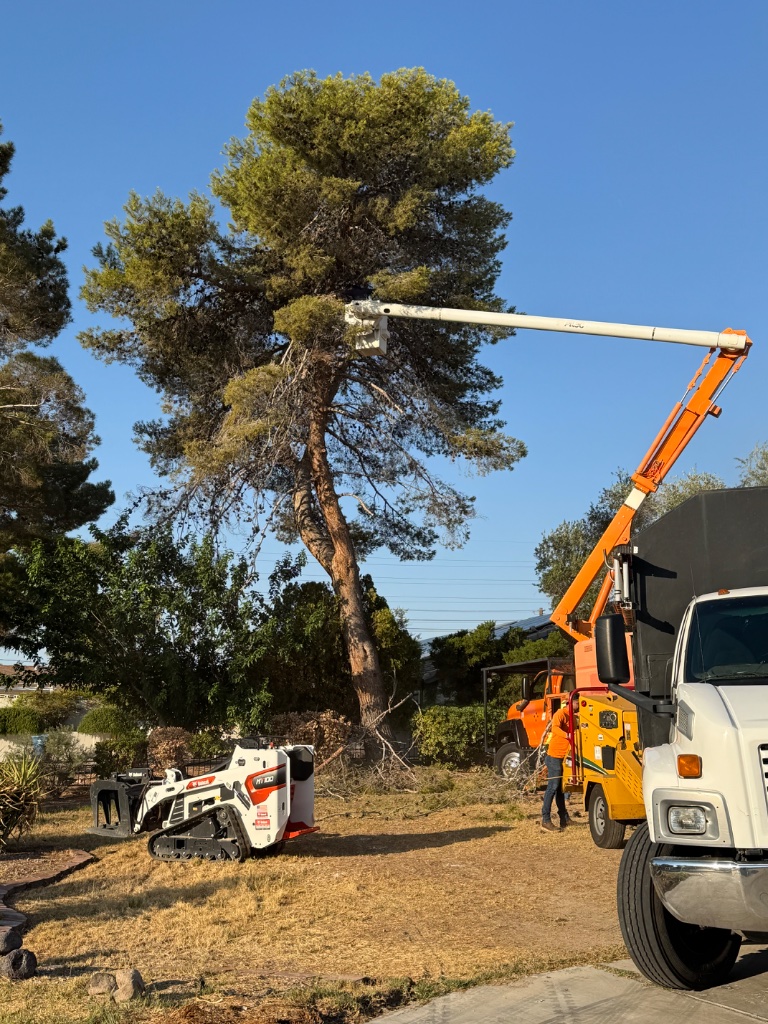
Trees are valuable assets, but a hazardous tree can become a serious liability. Knowing the warning signs can help you address problems before they become emergencies.
Large Dead Branches
Dead branches are one of the most obvious signs of a hazardous tree. These branches have no living tissue and can fall at any time, especially during high winds. If more than 25% of the tree's branches are dead, the tree may be in serious decline and should be assessed by a certified arborist.
Trunk Decay and Cavities
Hollow areas, soft spots, or fungal growth on the trunk indicate internal decay. While some trees can survive with hollow trunks for years, extensive decay significantly weakens the tree's structure. Look for mushrooms or conks growing on the trunk — these are signs of fungal infection.
Sudden Leaning
While some trees naturally grow at an angle, a tree that has suddenly started to lean — especially after a storm or construction — is a serious warning sign. This indicates that the root system has been compromised and the tree may be at risk of falling. A certified arborist should assess this immediately.
Root Damage
Roots are the foundation of a tree. Construction, trenching, grade changes, or drought can damage roots and destabilize a tree. Signs of root damage include thinning canopy, small leaves, dieback in the upper crown, and — in severe cases — the tree lifting on one side as it begins to fall.
Cracks and Splits
Deep cracks in the trunk or major branch unions are structural defects that can lead to failure. A crack that extends through the bark into the wood is particularly concerning. Multiple cracks, or cracks that connect to cavities, indicate serious structural problems.
What to Do If You See Warning Signs
If you notice any of these warning signs, call a certified arborist for a professional assessment. Not all hazardous trees need to be removed — some can be saved with proper trimming, cabling, or bracing. But if a tree is too dangerous to save, prompt removal protects your property and family from potential disaster.
FAQ
How do I know if my tree is dangerous?
Can a hazardous tree be saved?
Need Tree Service in Las Vegas?
Call now for a free estimate — serving Las Vegas since 2002.